Wednesday, November 7, 2012

Whisky Notes: The Essence of Smoke Via Peat and Perfume


Peaty, feinty and woody flavors in whisky have an interesting connection to woody and oriental categories in perfumery. This is particularly evident in formulas with smoky notes. The allure of smoke and its application in whisky and perfume tells us something about our own essence, the persona we wish to convey, as well as the alchemy we imbibe by transference. Glass Petal Smoke suggests reading this post with a glass of single malt Scotch after applying one of the leather inspired fragrances mentioned in the last section of this article. 

Smoke Aroma in Perfume and Whisky


Smoke is an essential element in the history of perfume. The word "perfume" is derived from the Latin per fumum which means "through smoke". This reflects perfumery’s roots which began with incense. Ancient Egyptians believed that perfumed smoke was pleasing to the gods and carried their prayers to the heavens.

Modern perfumery, as we know it today, was sparked by the popularity of scented leather gloves in France. Fragrance was added to tanned leather in order to reduce animalic odors and smoky notes from the tanning process. Catherine d'Medici (who started the glove craze) transformed her passion for scented gloves into a passion for personal perfume which in turn was a catalyst for the formation of the Guild of Master Perfumers and Glove Makers in 1656.  


The drying of damp malt over peat fire incenses the barley used to make Scotch whisky. This creates a link between whisky and the early history of perfume as incense. Irish Turf/Peat Incense is evidence of this connection.

Peat smoke contains phenols which are characterized by smoky, tar-like and petroleum aromas that evoke a medicinal impression, one that single malt Scotch lovers are quite fond of, (those who don't like peaty flavor relate it to the smell of Band-Aids). One wonders what goes through the minds of those involved in the malting portion of the whisky making process as the smell of smoke never loses its mysterious ethereal quality. 

Smoke Notes in Perfume Formulas and their Relationship to Whisky


Smoke in perfumery is a fantasy element and is found in perfumes inspired by the aroma of leather and incense. These types of fragrances fall into the oriental and woody family of aromas based on Michael Edwards' fragrance wheel. The perfumer’s interpretation of smoke does not enter the senses like a dramatic flambé. Like all olfactory experience it enters consciousness, triggers emotion and then floods the mind with autobiographical memories associated with smoke. Smoke is evidence of the presence of fire, an element that can be used to transform or destroy; it is the Shiva of fragrance notes. This lends archetypal power to smoky notes in flavors and fragrance.


Leather notes, in particular the Givaudan aroma molecule Pyralone, 6-(1Methylpropyl)quinoline, encourage a soft smokiness in perfume formulas with balsamic, woody and tobacco facets (complementary notes that are also present in whisky). A smoke effect supported by woody notes and balsamic ingredients like vanilla and amber creates an olfactory impression akin to a living breathing entity. A good example of this is Cuir de Lancome by Lancome. A smokier example would be Cuir de Russie Parfum by Chanel. If you smell the vintage version of Cuir de Russie Parfum, whose formula included essential oil of Birch Tar, the smoke impression is colored by notes of burnt wood, leather and phenols; the same notes that mark the distinctive aroma of Scotch whisky. 

The Parallel of Peat Aroma in Whisky and Oakmoss in Perfumery


Peat is the terroir of Scotland and the heart and soul of Scottish whisky. Before it is burned for fuel, fresh peat smells like a newly plowed field with mild traces of a brackish bog. In perfumery, the defining ingredient in the chypre family of fragrances is Oakmoss* (Evernia prunastri) and it possesses some of the qualities found in peat moss (both are lichens). Smelled neat, Oakmoss evokes images and emotions associated with the magnificent carpet of earthy scents found in a damp forest floor. It has a seaweed-like quality which is best described as a mingling of hay, sap and brine.


Oakmoss is the defining ingredient in classic chypre perfumes like Guerlain's Mitsouko and Miss Dior Originale (not Dior Cherie, confusingly repackaged as Miss Dior in the U.S.). The smell of Oakmoss is instantly transporting as many have experienced the majesty of parks, forests and their related aquatic environments. These memories are rooted in childhood which makes the effect of this ingredient quite powerful. The current fascination with Fir as a flavor agent in mixology and cooking is related to this type of nostalgic and emotional connection.

The Cult of Smoke: Culture vs. Trend 


Aromas and flavors follow trends that are ignited by the past (history, heritage, cachet, etc.) and the present (emotional need, response to economic times, etc.). On the fragrance side, the 1980’s were economic boom times and that is when fragrances were formulated to be loud and boisterous. After September 11th consumers in the U.S. were cocooning and the “green” trend began as we questioned our authenticity and the politics of oil. As a culture grows more confident, and economies get stronger, the desire for smokier flavors and fragrances rises (interest in all things "bacon" has yet to fade and includes the emergence of a bacon perfume originally formulated by a Parisian butcher in 1920).

The desire to connect with smoke is a reflection of the need to reconnect with natural elements that symbolize power. Dr. Richard V. Lee believes that, "The rituals and rules that govern symbolic controlled combustion are ancient, perhaps a part of our biologic evolution." The kind of smoky product you choose to favor depends on what totem fits into your concept of self and heritage. 
 
Achieving Balance in Smoke Flavor and Aroma


There are additive, subtractive and interactive reactions that occur when materials are dosed at different levels in perfumery, much like the chemistry of cooking. Smoke can overpower flavors and fragrances, and distort or eliminate distinctive nuances. In perfumery an overdose of a smoke effect can smell like burnt rubber which prompts a wincing reaction and triggers the part of the brain that detects danger and sparks a “fight or flight” response. The sense of smell is meant to keep us from harm so we don’t enter dangerous life-threatening environments or eat spoiled food that will make us sick. This is not an instinct we want to provoke.

The right dose of smoke in perfumery makes a bouquet come to life in complements and contrasts. The same is true for whisky via peat smoke. Whisky flavor is also influenced by the the type of barrel used to age the drink, (charred, uncharred, previous liquid guest). The wood will impart sweet, woody, resinous or animalic nuances into the whisky and that is where the flavor playground lives. Get too smokey and one runs the risk of creating a whisky that tastes jagged or resembles smoke flavor additives used in food.

Somewhere in the flavor spectrum of smoke is perfectly pitched smoke; the springboard for further flavor development. Distillers and flavor chemists would be foolish not to consider “smoke” inspired perfume for inspiration as they are shadows of the same alchemy.
Glass Petal Smoke recommends these leather inspired fragrances (in addition to the ones mentioned in this article): Chambre Noire Eau de Parfum by Olfactive Studio, Aleksandr Eau de Parfum by Arquiste, Cuir Mauresque by Serge Lutens, Bel Ami by Hermes, Comme des Garçons 2 Man, Tuscan Leather by Tom Ford, Cuir de Nacre by Anne Girard and Cuir Fétiche by Maître Parfumeur et Gantier.

Notes:
The dye used to color the wool used in Harris Tweed suits were once made from lichen derived dyes called crottle. Because of this, vintage Harris Tweed fabric possesses a chypre-like aroma. Lichens have an interesting relationship with humans which falls under the subject of ethnolichenology.

Oakmoss has been subject to scrutiny by Scientific Committee of Consumer Safety in Europe. Many in perfumery believe that a culture of fear is clouding the studies, but no one has made an inquiry into the scientists conducting the studies. As a result, use of oakmoss has been reduced, eliminated or replaced in some formulas.

Some of the natural ingredients used to create smoke/leather notes in perfume include Castoreum Absolute, Saffron, Cade and the rare and storied Agarwood (Oud).

Further Reading:
"The Seven Major Scent Groups of Whisky," by Mash Bonigala.

Whisky for Everyone, a fabulous whisky website.

Dr. Richard V. Lee has some interesting things to say about the culture of smoke in his paper titled, "Pleasure, Pain and Prophylaxis: Olfaction (the Neglected Sense)".

Image Credits:
"Occult Dancer," by artist Nicolai Konstantinovich Kalmakov.

Photo of Peat Gatherer in the Isle of Skye Scotland UK from Tour Scotland.

Image of Whisky Glass from Normann Copenhagen.

Thursday, November 1, 2012

Great Smelling Gifts for the Scentualist: $20 and Under

Each product in this selection of olfactory-themed goodies costs less than $20. You don't have to be a perfume lover to appreciate them (well, maybe all except one), but like all things that smell great each will add an aromatic touch to your day. Consider this curated list of offerings a shortcut for all your stocking stuffer needs. You can also treat yourself to every single product in this post for $52.00 plus shipping and have yourself a smelly little Christmas.


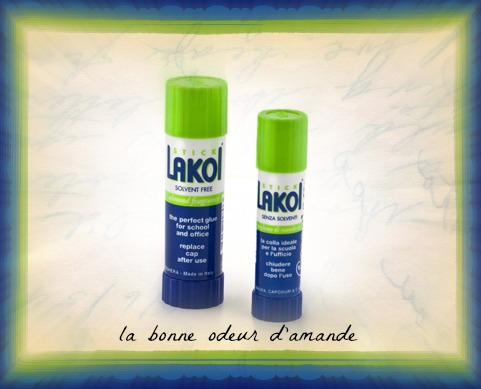
Lakol Glue Stick
It isn't every day that one can have a dalliance with the entire macaron case at Ladurée, but one can dream. Almonds are the foundation of every great French macaron, but why eat a handful of nuts when you can tempt your taste buds with pastry redolent of Muguet (Lily of the Valley), Cedrat (Cedar), or Mangue Jasmine (Mango Jasmine)? 

Giving in to temptation like this will make you hip in all the wrong ways (think body mass index) so it's best to consider something more recherché, something that smells of the perfume of almonds versus the unspeakable burden of guilt you'll be carrying as you punish yourself on what you'll swear is the "treadmill of doom" at the gym.

Introducing the Lakol Glue Stick. It smells of the finest marzipan and since it's non-toxic and solvent-free you can sniff it to your heart's content whilst being creative with paper projects. For the record, marzipan is considered aphrodisiac so you can double your aromatic pleasure and burn calories sans guilt. Just don't tell the folks at Pfizer® or Sensa®.

The Lakol Glue Stick is priced at $2.49 and is available for purchase at Greenbackpack.com.


Ten Thousand Villages Wooden Eyeglasses Rest
Your nose is the most precious thing on your face. If there's smoke, gas, skunk or spoiled food it protects you from danger by giving you the big fat "don't go there" signal. Ten Thousand Villages sells a nose carved out of aromatic Indian Rosewood (also known as Sheesham wood) that serves as reminder of just how important the most prominent feature on the human face is.

Though it is designed to support a pair of eyeglasses it also works as a functional totem for anyone that collects essential oils and absolutes used in perfumery. It's great for resting errant perfume blotters and can be used to curate humorous scenarios at your desk (Glass Petal Smoke currently has a .4 oz Lust solid perfume stick from Lush taking up residence under its nose).

If you've been considering collecting aromas as a hobby you can take stock in the fact that smell calisthenics improve brain function and enhance plasticity. Just don't get caught up in the notion that a bigger nose means you have olfactory superpowers. You can leave that argument to someone who argues that there isn't a limit to how big a nose can be (aka a nosarian).

Ten Thousand Villages' Wooden Eyeglasses Rest retails for $18.00 and is available online or in-store. All items sold by the company meet fair trade and sustainability standards.


          Write Dudes USA Eco #2 Pencils
Pencils rule. A single pencil is capable of writing 450,000 words or a straight line 35 miles long, this according to the folks at Pencils.com. Pencils made of Incense Cedar (Calocedrus decurrens) are the most fragrant pencils around, but finding affordable ones that write well requires a game of trial and error (translation: buy a bunch, get burned, try again).

Die hard Incense Cedar pencil fanatics shell out $19.99 for a dozen Palomino Blackwing 602 pencils, but there are less expensive alternatives. Some swear by General's Cedar Pointe Pencils, the oldest brand of pencils in the United States (manufactured in Jersey City, New Jersey for 120 years), but if you want a high quality graphite pencil with pencil shavings that smell like the inside of a cedar chest then Write Dudes USA Eco #2 Pencil is the pencil for you. Because the pencil is not lacquered (it's made of raw cedar) it leaves a trace of aroma on your thumb and forefinger after you write with it.

A pack of 18 Write Dudes USA Eco #2 Pencils retails for $6.09 on Amazon and qualifies for free shipping with a $25.00 purchase. Get this Dux pencil sharpener while you're at it. You can unscrew the cap and sniff your pencil shavings for a quick cedar fix and no one will think less of you for it.


Nutiva Organic Extra Virgin Coconut Oil
One of the main reasons that coconut oil has taken the food world by storm is that its flavor is accompanied by a rich aroma that instantly transports one to white sandy beaches in the tropics. Coconut oil is a fabulous beauty product on its own. It's solid at room temperature and a small amount placed in the palm of your hands melts quickly, transforming into a liquid that is perfect for application on skin and hair.

Though coconut oil is great for year round skincare it can be used as an aromatherapeutic treatment for winter blues. A coconut oil body treatment before bed will instantly fill your mind with thoughts of sunshine and warmer climes. To get full skin conditioning benefits draw a bath before going to bed. When you get out of the tub pat skin gently with a towel, allowing moisture to remain on your skin as this will emulsify the oil. Apply coconut oil from head to toe, get in your pj's and bask in the milky aroma of coconut under your favorite winter blanket. If you aren't sleeping alone the company you keep also appreciate its delicious scent.

Nutiva Extra Virgin Organic Coconut Oil is milky, floral and nutty smelling and is, quite frankly, the best coconut oil around. If you have a little Ylang Ylang essential oil you can add that and make your own Monoi Oil mixture. For a touch of extravagance add a drop or two of Sandalwood, Jasmine or Gardenia Oil from Enfleurage.

Nutiva Extra Virgin Organic Coconut Oil is sold in most health food stores and is available for purchase online. A 15 oz. jar retails for $11.99.


Sweetsation Choco*Smooch Organic Lip and Face Balm
A growing number of healing balms are being targeted at adult consumers because they are concentrated and portable; two important factors if one plans on traveling or saving space in the medicine cabinet. A stick balm is as concentrated as it gets and the best skin conditioning balms can outperform creams and lotions, which are more than 50% water.

Sweetsation Choco*Smooch Lip and Face Balm was made for babies, but mama likes it too. A perfect fusion of Vanilla absolute and unrefined cocoa butter makes for an incredibly delicious and comforting aroma that is truly a balm for the senses. Many manufacturers shy away from using true Vanilla because of the expense, substituting Vanillin (an aroma molecule found in artificial vanilla flavoring) for the real thing. Considering the fact that vanilla has been shown to elicit a sense of comfort in scientific studies just adds to the list of the product's ethnobotanical benefits.

The .75 oz. jumbo size Sweetsation Choco*Smooch stick retails for $12.99 and can be purchased online and at select retail stores.

Friday, October 26, 2012

Inside the Olfactory Mind of Oksana Marafioti


Oksana Marafioti's American Gypsy is a memoir of assimilation told from a Romani point of view. Her story is frank, poignant and often humorous, allowing readers more than a glimpse into a culture that is home in many lands, but rarely understood. Romani culture is one of fusion yet there's a constancy that pervades everything when it comes to family and tradition. Whether Marafioti's intention was deliberate or not, she is part of a growing number of Romani who are putting a human face on the word "gypsy", a word distorted by stereotypes, fashion trends and prejudice. Marafioti is no stranger to the world of the senses as you can see from her responses to the Glass Petal Smoke Sensory Questionnaire.


1.  What does your sense of smell mean to you?
If you think of a human being as a Matryoshka doll, levels of "self" confined inside a single outer shell, the sense of smell would be the closest to the center, to the heart. The deepest, most hidden and most unexpected memories are linked to my sense of smell.


2.  What are some of your strongest scent memories?
I remember walking through an old Russian cemetery on a dare. It was overgrown with oaks and pines and flowers of all kinds. I carry this smell with alarming clarity; probably due to the terror I felt. Fresh pine needles combined with overturned earth, and a soft, barely noticeable scent of lavender. Vanilla from the paskha cake my grandmother used to make for Russian Easter also comes to mind. Very sweet and reassuring.


3.  What are some of your favorite smells (things in nature, cooking &/or your environment)?
My kids. Every smell about them makes my heart sing. I know it sounds silly but that’s the best way I can describe it. One of them will run up and give me a bear hug, and I’ll bury my nose in their hair and think, "that just made my heart sing."

In nature, the ocean. The scent of an ocean is as wild as the ocean itself. A whole bunch of ingredients rolled into one gorgeous presentation. Salt, but not as high-pitched as table salt. This is deeper and bigger. Salt mixed with the sun and the sand. Together they create a layered kind of a sensory atmosphere. The top layer is dry and feels baked, maybe because of suntan lotions and what they smell like after a long time out of water. The bottom layers are noisy and wet and fishy, more primal. Every time I take a deep whiff of this combo, I feel emboldened.


4.  Do you have any favorite smells that are considered strange?
Sauerkraut. I love its sharpness and intensity. 


5.  Describe one or more of your favorite cooking smells.
Onions fried in butter. Where I come from almost everything is cooked in butter. I grew up with it, and it gives me an instant dose of comfort no matter where I smell it.


6.  What smells do you most dislike?
Gasoline. Mom once told me she used to crave the smell of gasoline when she was pregnant with me. I also dislike a mixture of blood and alcohol. Metallic, burning, foreboding.


 7.  What smell did you first dislike, but learned to love?
The smell of lamb cooking. It used to make me feel sick to my stomach when I was a kid. It was very invasive. There’s no way you couldn’t smell lamb for miles. With time, I grew used to it. Because the Greek/Armenian side of my family makes lamb dishes regularly, it was inevitable. Plus, once you taste lamb chops, your nose grows to love the smell.


8.  What mundane smells inspire you?
The smell of a fresh new notebook always makes me want to write!


9.  What scent never fails to take you back in time and why?
The smell of clean linen, but without all the perfumes. I associate it with the smell of sunshine. I never realized that sunshine had a smell until I figured out this connection. In the old country, my mom used to hang the laundry to dry outside, and the sun would etch itself in the fibers. Every time we changed the sheets I’d bury my face in the sunshine convinced that I could actually wrap myself in it.


10.  What scents do you associate with memories of loved ones?
For my mom, the scent of Climat, her favorite French perfume. For dad, the smell of a velvet lined guitar case.


11.  What fragrance(s) remind you of growing up?
Pussywillow trees in bloom. They grew all over Moscow. Once the air was filled with the aroma of the pussywillows you knew that spring had arrived.


12.  What fragrance(s) remind you of the places you visited on vacation?
Grilled meat always reminds me of living in Italy where I’d go to the downstairs Greek restaurant to get my gyro fix almost every night. I also remember the stuffy incensed smell of old Italian churches. Now, every time I come across any smell close to Frankincense, I remember walking around those beautiful buildings during my stay in Italy.  


13.  Describe a piece of sensory literature that is very magical for you.
Perfume by Patrick Suskind. It is a startling realization that we are influenced by our senses even as we go through life under the impression of complete control over them.

Notes:


You can listen to a great interview with Oksana Marafioti talking about her book, American Gypsy, on NPR.

The Gypsy Chronicles, a wonderful website, is filled with timely, relevant news about Romani life and culture. Glass Petal Smoke recommends that you bookmark it for future viewing.

UK Chef Tom Ewer celebrates his Romani heritage on The Gypsy Chef and is currently working on unearthing the culinary roots of his heritage.

Great Russian Gifts sells beautiful nesting dolls online. The photo of the set in this article is called Camilla. Rights revert back to Great Russian Gifts.

"Forest Cemetery" is a landscape painting by Ivan Shishkin that accompanies the second question in this article. Shishkin also has a planet named after him.

Image of Sauerkraut from Steffan's Dinners

Image of onions in butter by Saffron and Salt. Rights revert back to the owner.

Image of lamb lentil stew by Five Rings via Creative Commons.

Image of Rhodia "Webbie" notebook from Exaclair.

Image of clothes line by Michael Gäbler via Creative Commons.

Image of blooming pussywillow by OutdoorPDK via Creative Commons.

Photo of botafumerio in the Cathedral of Santiago by Michael Krier.

Friday, September 28, 2012

The Perfume of Braised Leeks


The spectrum of color in summer fruits and vegetables is as rich as the multitude of flavors they provide. So what does one do when the season changes, just shy of the multihued foliage that portends the stark landscape of winter? Forage the farmer's market for the last of summer leeks!


Leeks are harvested in summer and winter with a noticeable difference in strength of flavor from one season to the next. Summer leeks are less alliaceous than their winter brethren, and slightly smaller in size. On sight, a leek looks like a giant scallion which is a reflection of the flavor profile of this vegetable. A freshly cut leek is redolent of scallion and sweet onion, but braising releases a delectable fragrance that registers "soup" in the brain. The perfume of leeks lingers long after a dish has been cooked, infusing the kitchen and nearby environs with the comforting aroma of sustenance. If you live in an apartment building your neighbors will know you are cooking if there are leeks in the pot; their aroma is a savory siren song to even the most sublimated of appetites.


One of the joys of preparing leeks is the way the vegetable looks when it is cut crosswise. The concentric circles that form the stalk have a fractal quality that cause one to ponder the perfection of nature. Braising leeks in a pot over the stove is one of the best ways to cook this vegetable. Faye Levy's recipe for "Turkish Braised Leeks with Carrots," in Feast from the Mideast is divine. Preparation takes more effort than cooking as leeks have a tendency to collect dirt in their fronds. Careful rinsing easily remedies the matter and is worth the effort. Glass Petal Smoke has modified the recipe to taste, which you are free to do as we all cook from intuition, memory and our own sense of flavor.

Turkish Braised Leeks with Carrots
Recipe by Faye Levy
(Modified by Michelle Krell Kydd)

Ingredients
  • 3 large leeks (rinsed, cut crosswise, then into halves)
  • 4 tbsp. extra virgin olive oil
  • 1 medium Spanish onion, chopped
  • 4 medium carrots, chopped
  • 1/3 cup miniature white kalijeera rice  (white baby Basmati rice is also good)
  • 1 1/3 cup chopped San Marzano tomatoes from a can (Roma tomatoes are fine)
  • 1 14.5oz Chicken Broth
  • 1 1/2 cups of water
  • 2 tbsp. dark agave nectar (or 1 tsp. raw sugar)
  • 2 tbsp fresh squeezed lemon juice
  • 2 tbsp chopped fresh parsley
  • fresh black pepper to taste
Directions:
  • Clean and prep leeks, onions and carrots.
  • Heat olive oil in a stew pan over medium-low heat.
  • Add onion and cook until translucent, (five minutes with the lid on, stirring often).
  • Add leeks and carrots. Cook for five minutes, stirring occasionally.
  • Add rice, tomatoes, chicken broth, water and agave nectar. Bring to a boil.
  • Cover and cook over low heat for 20 minutes or until vegetables and rice are tender (check every 8 minutes to make sure that everything is moist, adding a bit of water if needed). 
  • When the dish is finished cooking turn off heat and add lemon juice.
  • Serve garnished with chopped parsley and a bit of fresh black pepper to taste.
Notes:

This recipe was tweaked using more carrots, "San Marzano" tomatoes, aromatic rice, agave nectar and chicken broth. The alterations add richness and flavor to the dish. The original recipe can be found on pages 248 and 249 of Faye Levy's Feast from the Mideast

Feast from the Mideast by Faye Levy is no longer in print. Glass Petal Smoke recommends getting your hands on a used copy. Biblio.com is a terrific search engine for used books and is highly recommended as it supports independent booksellers.